
What Does a Meaningful Day Look Like?
Think about a good day you’ve had recently. Not a vacation or a special occasion, just an ordinary day that felt good when it was over. What made it good?
Most of us would say things like getting something done, seeing someone we care about, laughing, learning something new, or feeling useful to someone. Hardly anyone would say “I was kept busy from 9 to 3.”
But for a lot of people with intellectual and developmental disabilities, that’s what a day ends up being. A schedule gets built, the hours get filled, and everyone checks the box. A group outing to the mall. Coloring sheets. A movie everyone watches whether they want to or not. The time passes, but it’s fair to ask whose day it really is.
Filling time and building a life are two very different things.
A meaningful day starts with the person. What do they care about? What are they curious about? What are they good at, and what would they like to get better at? Who do they want to spend time with? Those answers will look different for everyone, and that’s the point. For one person it might be a job. For someone else it could be volunteering at an animal shelter, taking a class, joining a choir, or being a regular at the same coffee shop where the barista knows their name and their order.
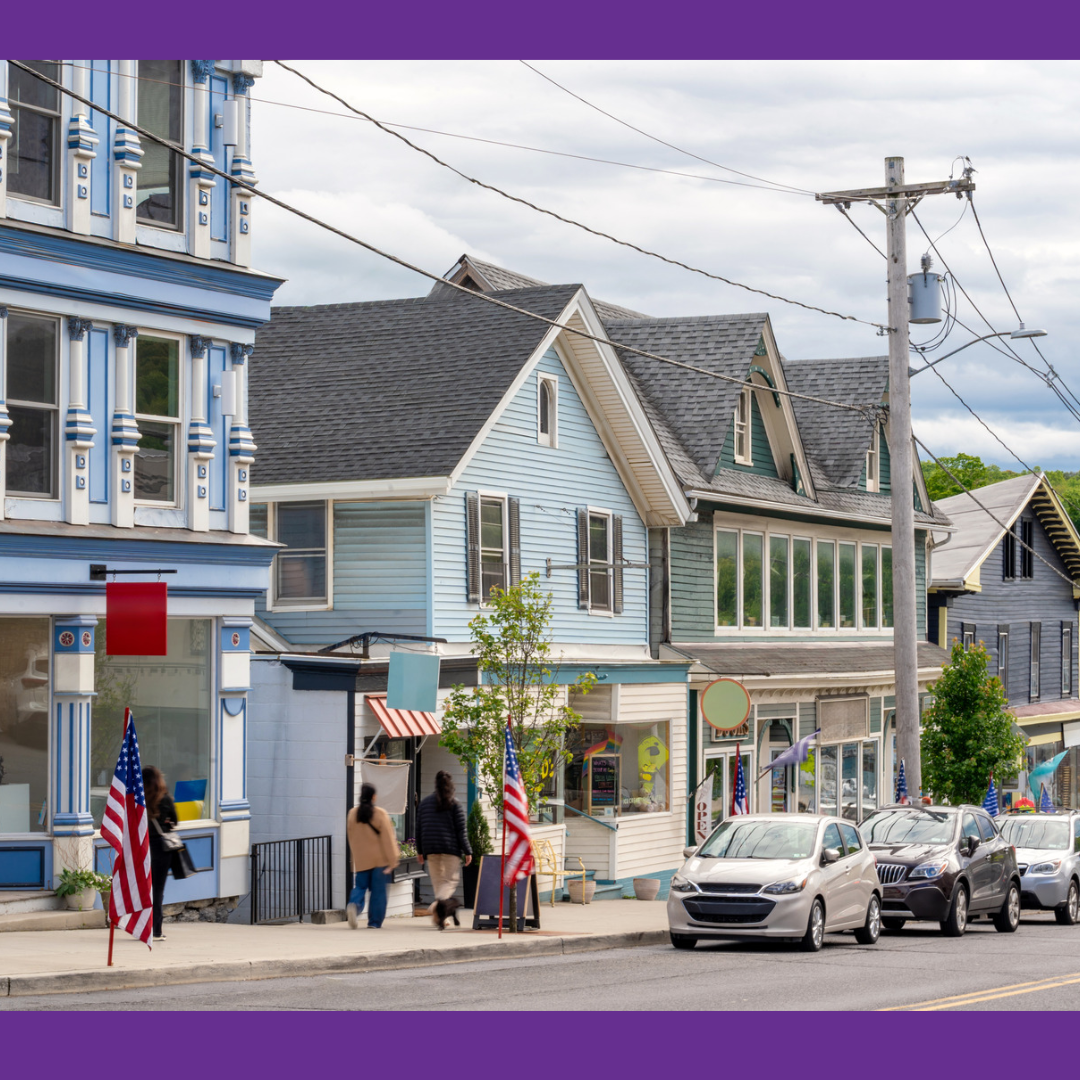
That last one might sound small, but it isn’t. Being known in your own community, by people who aren’t paid to be there, is a big part of what makes a life feel like yours. Those everyday connections are where friendships start, where people find out about jobs, and where they get missed when they don’t show up. A van full of people visiting the community together is a very different experience from being a part of it.
A meaningful day also includes the ordinary stuff. Running errands, cooking, doing laundry, deciding what to wear. These things can look like chores, but they’re also choices, and choices add up. When someone else makes every decision for you, even the small ones, the day stops belonging to you.
None of this means every minute has to be productive or packed with purpose. Rest counts. Downtime counts. Doing nothing on a Saturday afternoon is a perfectly good choice, as long as it really is the person’s choice.
So how do we move from filling time to building a life? It starts by asking, and then listening to the answer, however it’s communicated. It means being willing to try something new, even if it doesn’t work out the first time. It means looking beyond the walls of a program and into the neighborhood, where real connections happen. And it means measuring a good day by how the person felt about it, not by how full the schedule was.
At Networks, we believe everyone deserves days that matter to them, through person-centered planning, inclusive employment, and helping organizations rethink how they support the people they serve. A good life is made of good days, and everyone should get to decide what those look like.
So think about the people you support, or the people in your own life. Does their day look like the life they want, or the schedule someone else made for them?