A Seat at the Table
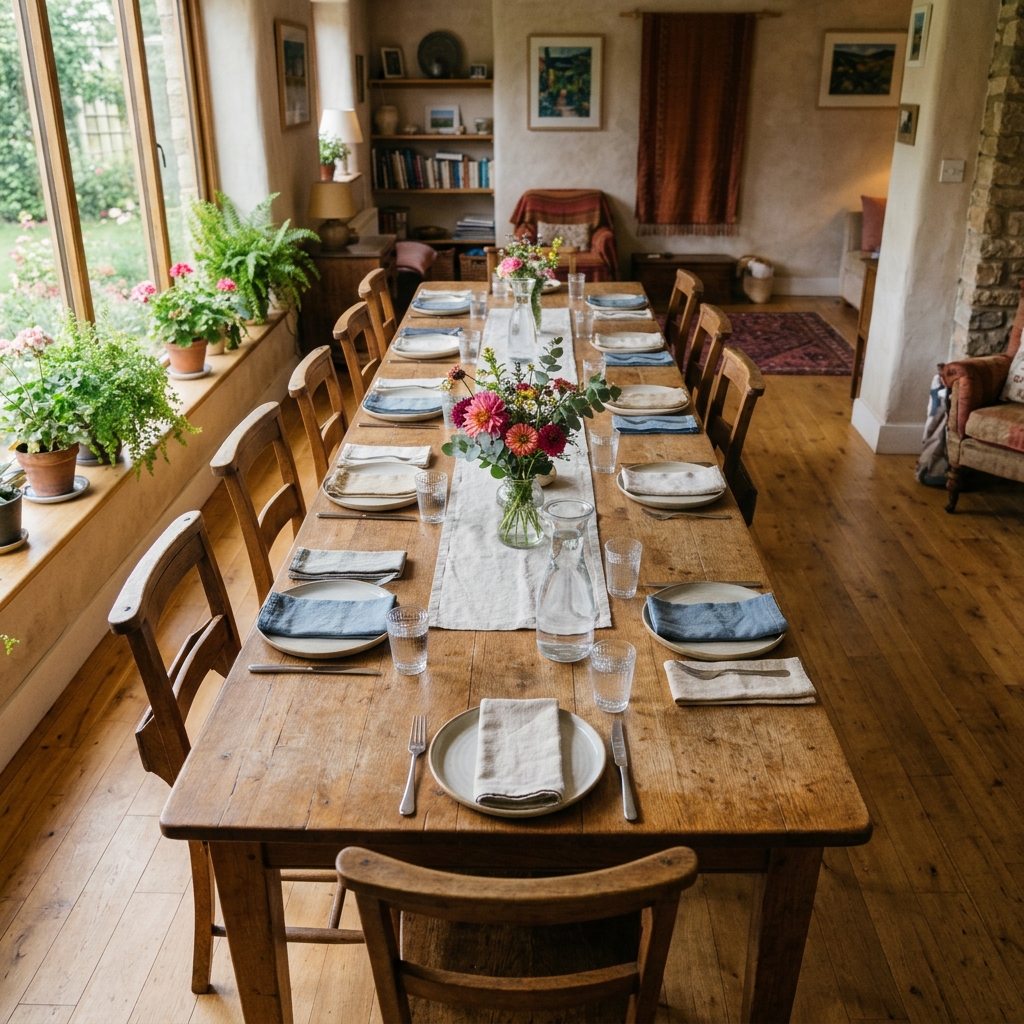
When I think about a seat at the table, I think about a place for everyone. A place where people come together as equals, where nobody gets put off to the side or handed a spot at a separate table in the next room.
We’re not there yet. There are still too many spaces, even in organizations that say they welcome everyone, where people with disabilities are grouped off by themselves. And even when someone does get a seat, that doesn’t always mean they get a say.
Having a voice goes hand in hand with having a seat at the table. Some people communicate by speaking. Others communicate with facial expressions, gestures, or actions, or with assistive technology or AAC. All of it is communication, and all of it should be respected as communication.
Think about how often meetings happen about a person instead of with them. People talk about where someone will live, what their goals are, and how they’ll spend their days, and the person at the center of it gets a question or two at the end, if they’re asked anything at all. Or someone makes it very clear what they want, with a look, a sound, or by walking away, and it gets written down as “behavior.”
A person’s voice needs to be not just heard BUT also honored. When we honor someone’s voice, we’re acknowledging their personhood and their right to make choices about their own life. Their yes matters and their no matters, even when it doesn’t come in words.
I believe everyone is important. Everyone matters, and everyone’s voice and opinions count, even when we disagree. People who have historically been disenfranchised and pushed to the fringes of society have been left out of decisions about their own lives for far too long, and there’s no good reason for that to continue.
This goes deeper than meetings and policies, though. At the end of the day it’s about how much we all need connection with another human being. Nobody gets through life alone, and nobody should have to. The old saying that we are more alike than different holds true. We all want to be seen, we all want to belong, and we all want a say in our own lives.
So where do we start? With more empathy and more compassion for one another. Ask the person first, before you ask the people around them. Take the time to learn how someone communicates, and then take what they tell you seriously. Look around the groups and programs you’re part of and notice who isn’t there. Then make room, and actually share the table once they’re at it.
None of this takes a big budget or a new program. It takes being human with another human.
At Networks, this is at the heart of our work, whether we’re helping with person-centered planning, supporting inclusive employment, or helping organizations take an honest look at their own culture. We’re still learning too.
So I’ll leave you with this: who isn’t at your table yet, and what can you do to make room?